
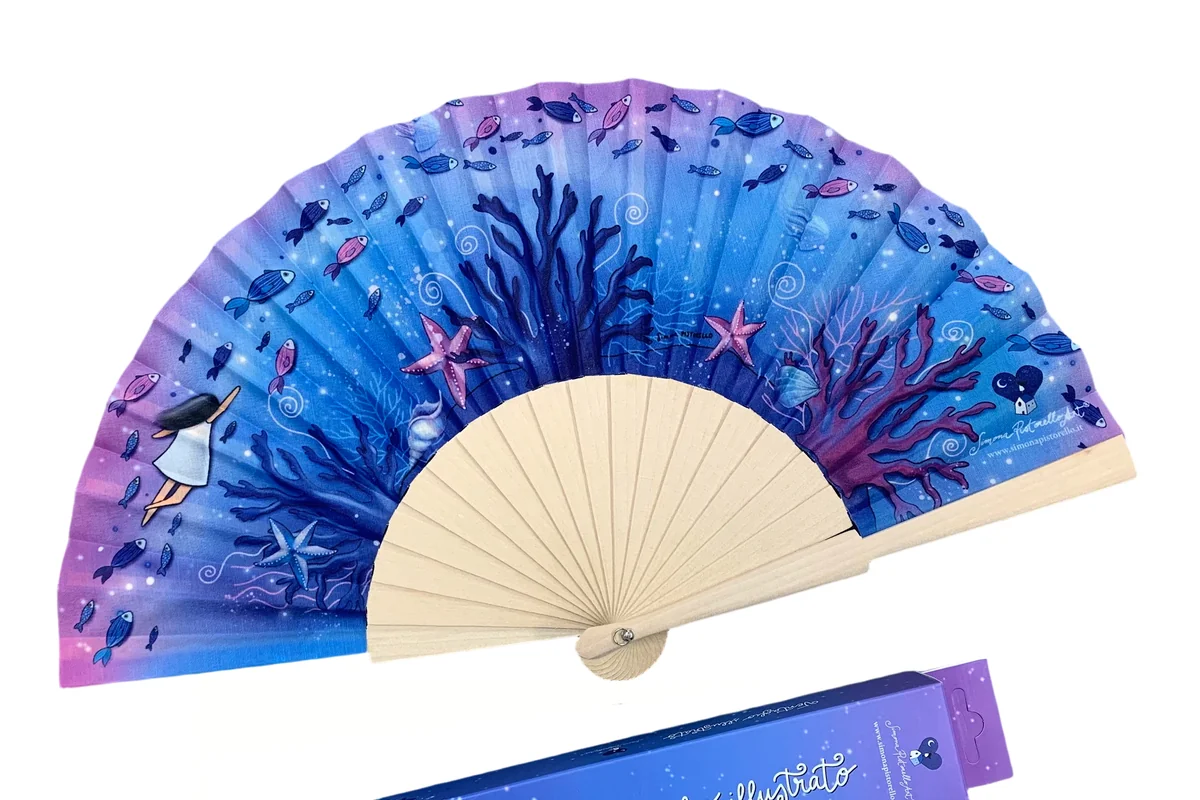
Choose sleeves, pouches or boxes by use
For a quick handout, a simple sleeve or counted group may be enough. For a fan people will carry, consider a pouch. A box can suit a gift or retail display, but it adds size and packing work. Choose the pack for its use rather than adding layers automatically.
| Pack | Useful for | Limitation to check |
|---|---|---|
| Paper sleeve | Compact presentation, a message or name label | Open ends may leave tips exposed; tight edges can catch the leaf |
| Fabric pouch | Keeping the fan in a bag after purchase | Soft fabric provides little support against crushing |
| Folding card box | Retail or gift presentation with a printable surface | May need assembly; the fan still needs a suitable fit inside |
| Rigid gift box | A structured presentation or gift set | Takes more storage and shipping space |
| Counted group in a shipping carton | Fast event distribution | Individual fans need separation and support during transport |
A pouch can reduce rubbing against other items in a bag. It is not a substitute for protective outer packing.
List what the price includes: fan, sleeve or pouch, box, insert, tag, ribbon and shipping carton. Check whether boxes arrive flat or assembled and whether fans arrive inside them.
Try the finished fan in the finished pack
Use a fan with the actual printed leaf, tassel, finish and decorations. A bare frame or an empty box cannot show the final fit.
- Insert the fan without squeezing its folded leaf or forcing the opening.
- Close the pack and look for a bowed lid or stretched seam.
- Remove the fan as a customer would. Check whether paper, tassels or raised details catch.
- Look at the contact points after removal for scuffs or pressure marks.
- Repeat with the complete gift set, including any card, ribbon or insert.
For a pouch, test the opening as well as the space inside. A flat fabric width does not tell you whether a thick folded fan will pass through. The size guide explains the fan measurements to take.
Use inside dimensions for fit
Compare the fan’s maximum closed length, width and thickness with the usable inside space. Seams, folds, inserts and closures reduce that space. Use outside dimensions only when calculating storage or shipping volume.
Total width clearance is the pack’s usable inside width minus the closed fan’s width. It is the combined gap across both sides. Check inserts, seams and ribbons too, since they can reduce usable space or obstruct the opening.
Try the largest fan and smallest pack allowed by the order’s size limits. If the fit is tight, change the opening, inside size or insert. Extra padding makes a tight fit tighter; a bigger outer box alone may not fix an obstructed opening.
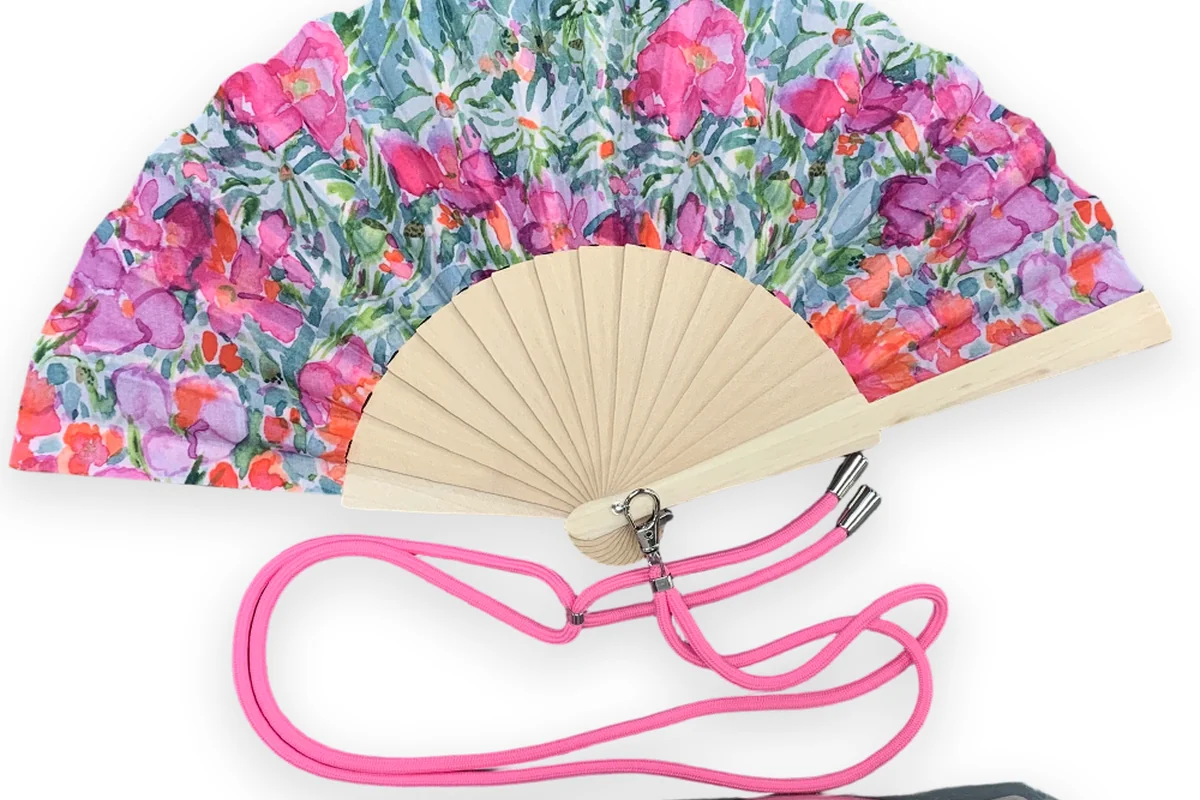
Plan packing time and assembly
Loose sleeves, labels and ribbons leave work for someone. Time a short trial using the actual items before deciding who will pack the order.
Multiply the measured packing time per fan by the order quantity, then allow for setup, counting and cleanup. Compare that work with having the fans supplied in their individual packs.
For events, try opening a carton and handing out the fans. For retail, check that staff can identify the design without unpacking it. For online orders, test the individual parcel pack as well as the bulk carton.
Check the effect on carton volume
A larger gift pack can reduce the number of fans that fit in a carton. Compare packed carton dimensions, carton count and gross weight for each packaging option.
- One carton: multiply its outside length, width and height in metres to find cubic metres.
- Equal-size cartons: multiply that volume by the carton count.
- Mixed sizes: calculate each carton type separately and add the totals.
Freight charges depend on the service, route, volume and weight. Send us the chosen packaging and delivery destination for an updated shipping estimate.
Use damage to find what needs changing
Inspect both fan and pack after a handling trial or delivery. Where the damage appears helps identify the next thing to check.
| What you see | What to inspect |
|---|---|
| Leaf catches at the sleeve opening | Opening width, seam, leaf overhang or tassel position |
| Repeated dent in the same place | Insert edge, closure or pressure from the stack |
| Scuffed fans inside an intact carton | Rubbing between fans or movement within the group |
| Gift-box lid will not stay shut | Packed height and the position of accessories |
| Damage in the last, partly filled carton | Unsupported gaps and movement around the smaller quantity |
Photograph the original packing before changing it. Adjust the suspected contact or gap, then repeat the relevant check. The pattern is a clue, not proof of a single cause.
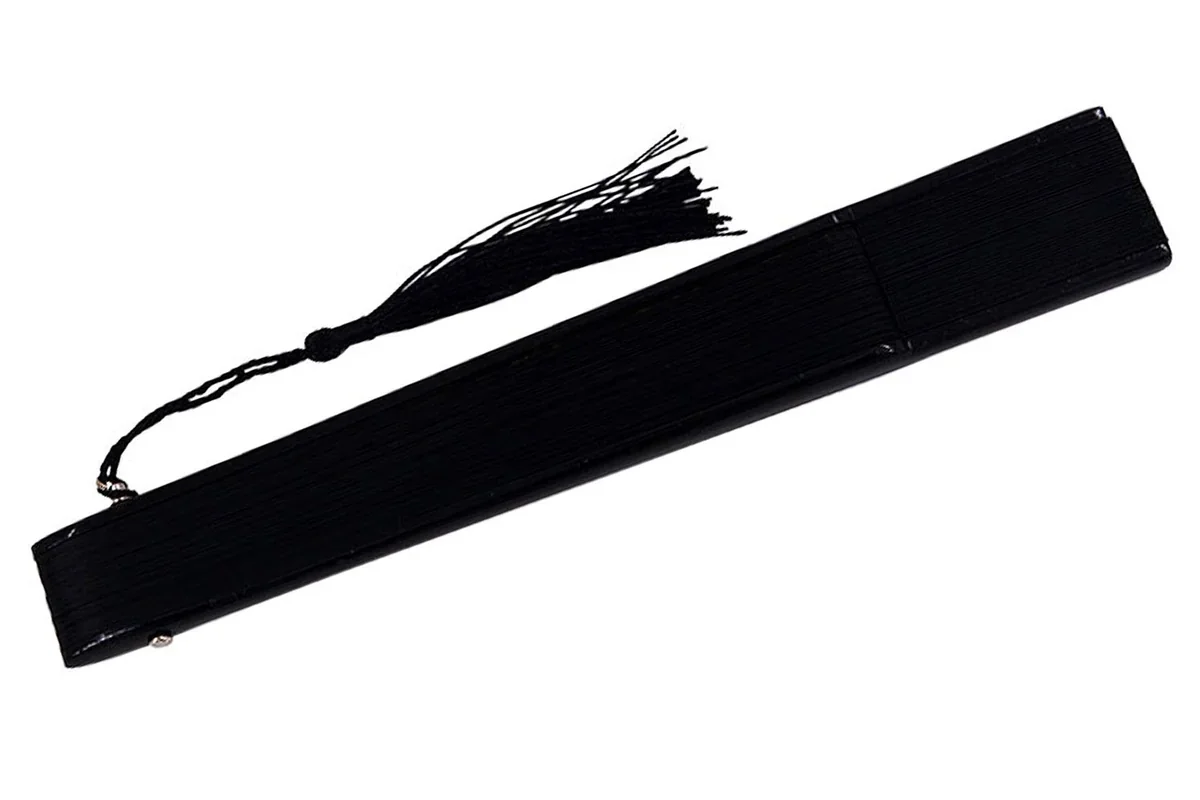
Test the pack for the delivery route
A retail box inside a bulk carton and the same box sent alone as a parcel face different handling. Check the complete packed product for the intended route.
Early packaging checks and transport simulations serve different purposes. Ask a test provider which procedure suits the shipment if formal testing is needed. An improvised drop does not establish a pass under a named procedure.
Keep a photo of the final carton arrangement, counts, outside dimensions and weight. Label partial cartons with their actual quantity and design, and support the remaining space. If the insert, packing method or route changes, check whether the earlier test still applies.