Offer a clear choice
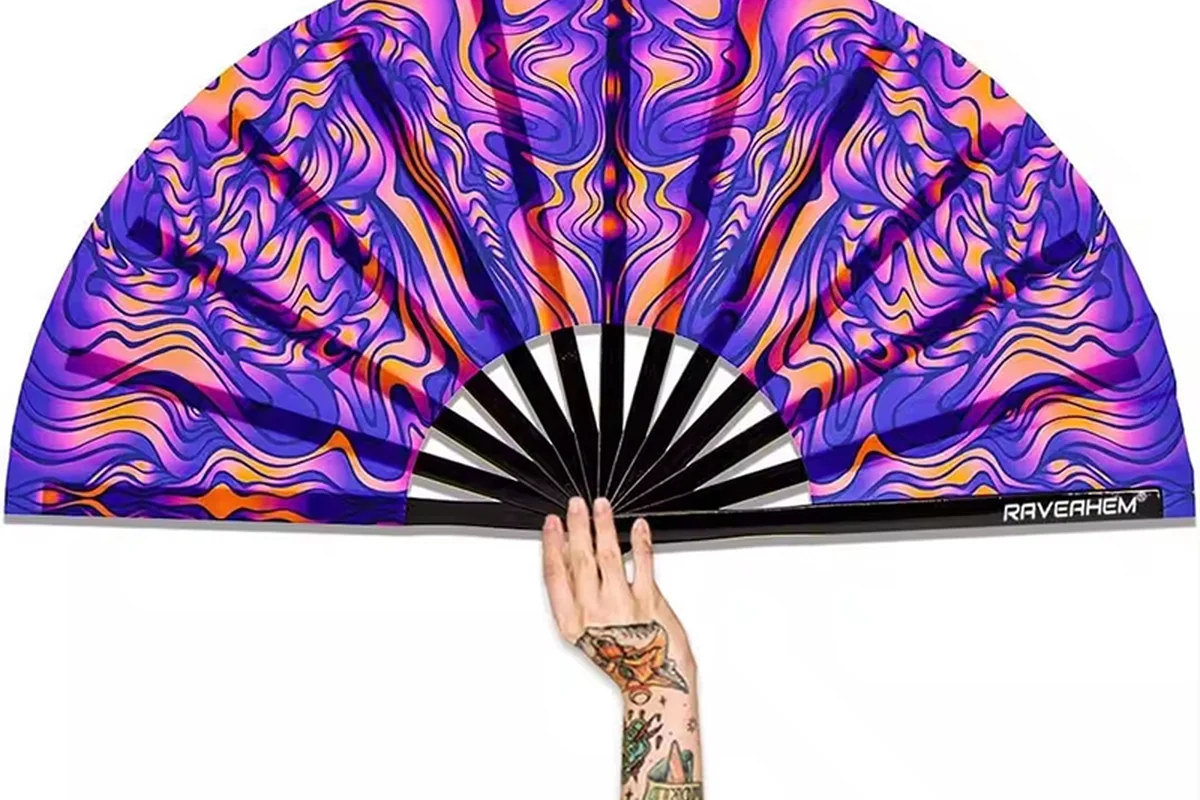
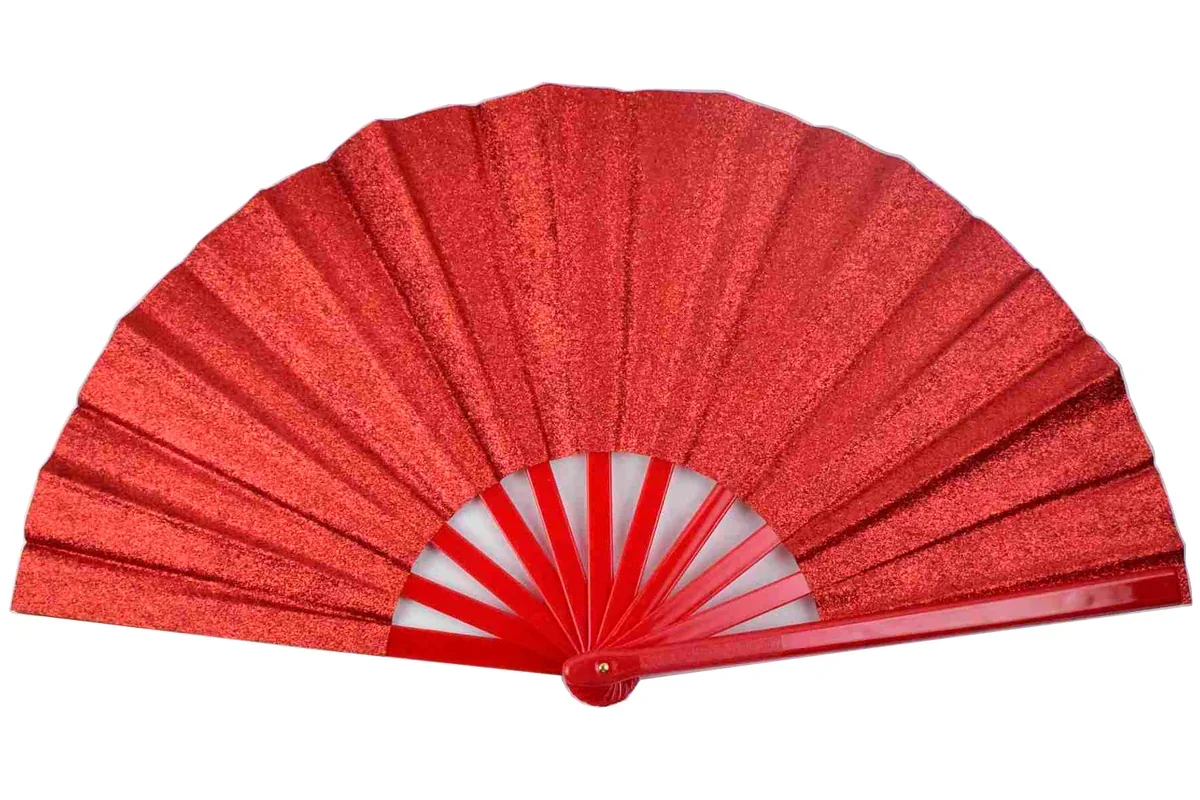
Choose a fan people will want to carry as well as display. Compare its size in the hand, the open artwork and the closed shape in a bag. A striking image matters, but buyers should also be able to see what they are getting without opening every pack.
| Merchandise idea | Useful design choice | Main tradeoff |
|---|---|---|
| Festival souvenir | Event name, year and a distinctive image | The date may limit sales after the event |
| Artist merchandise | One strong artwork with a clear front and back | Folds can interrupt faces, lettering and fine details |
| Venue merchandise | A design that works beyond one performance | Less tied to a particular event |
| Gift version | Fan with a pouch or box | Higher packing cost and more space at the stall |
Start with versions that offer a visible difference: two artworks, or a fan alone and a gift pack. Several nearly identical colors can split the order without giving buyers a clear reason to choose. Ask for pricing by artwork and construction; the combined quantity may not qualify every version for the same price.
Check the product buyers will take home
Use a finished sample, not only a digital picture. Compare paper and fabric with the planned artwork, including the reverse side. Check lettering, pale areas, portraits and any show-through. Open and close it gently, feel the grip and try its sleeve or pouch.
A larger fan gives the image more space but takes up more room when carried. Compare actual dimensions in the size guide. If the fan is intended for dance or forceful stage movements, describe that use before choosing the construction; ordinary hand-fan approval does not demonstrate performance suitability.
Photograph the approved fan open, closed and packed. Make clear whether the displayed price includes the pouch or box. Use artwork you have permission to reproduce on merchandise, and confirm any artist or sponsor approval before printing. Keep one marked display sample apart from saleable stock.
Calculate costs and cash recovery
Separate the cost of buying the stock from the money received when it sells. Unsold fans still tie up cash, even when sales cover the stall fee.
| Figure | How to calculate it |
|---|---|
| Landed cost per fan | Total fan, packaging, freight and other order costs ÷ saleable fans received |
| Net receipt per sale | Selling price − commission − payment charges − other costs triggered by that sale |
| Upfront cash spent | Paid stock costs + event fees, stall equipment and other paid launch costs |
| Sales needed to recover upfront cash | Upfront cash spent ÷ net receipt per sale, rounded up |
Use the cash-recovery formula when each sale brings in the same net amount. For mixed prices or bundles, track actual receipts after selling costs and compare the total with the upfront spend. Include applicable taxes, royalties, returns and refunds.
Check whether payment fees apply per item or per transaction. A sale containing several fans may incur one transaction fee. Do not count the same cost in both the upfront total and the selling charges.
Check the effect of a discount
A discount reduces the amount available to recover the order cost. Recalculate the net receipt after commission and payment charges before changing the price.
- Compare the reduced-price receipt with the landed cost of each fan.
- Work out how many additional sales the lower price needs.
- Check whether enough saleable stock and selling time remain.
- Compare clearing dated stock with carrying it into another sales channel.
A clearance sale can recover part of the remaining cash without recovering every cost. Record the result separately from full-price sales so it does not distort the next order’s pricing.
Make the stall easy to shop
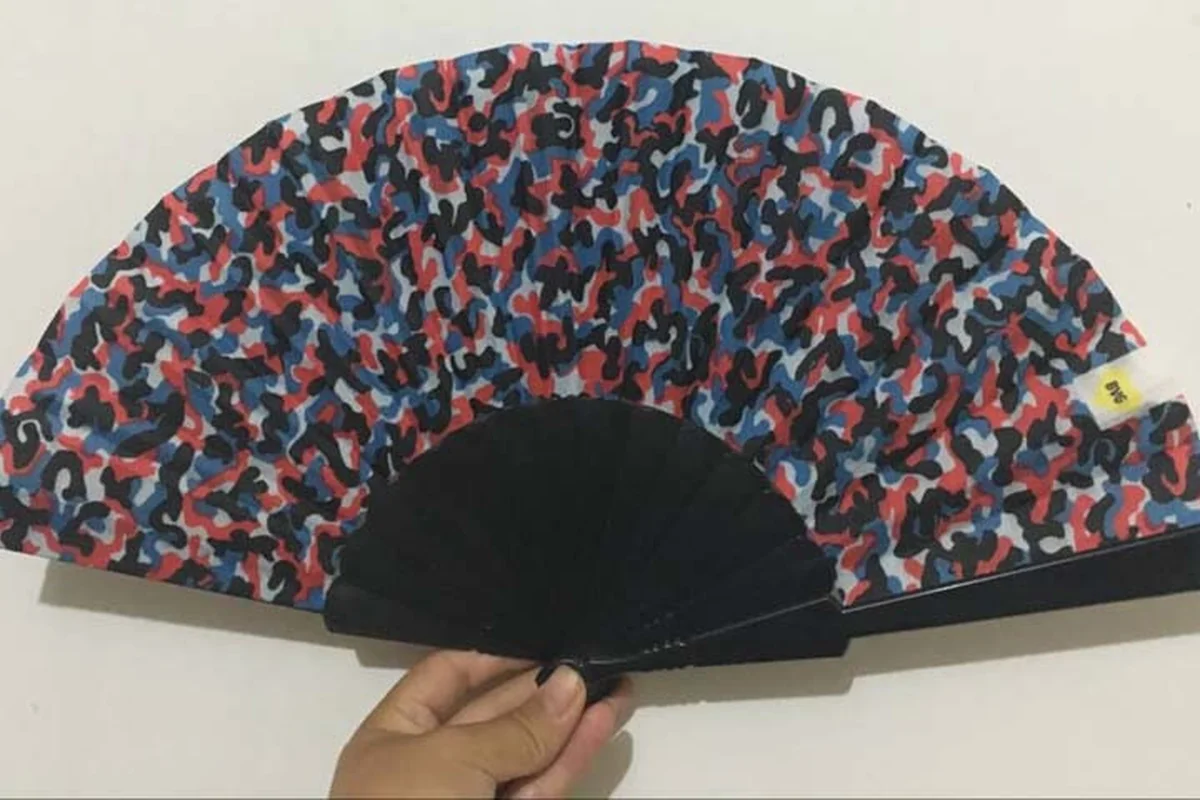
Show an open sample of each design, with prices visible beside it. Keep packed versions close to the display and label stock by design. If a pouch costs extra, show both prices clearly.
Count sales and stock separately for each version. Note damaged fans, display samples and transfers so missing units are not mistaken for sales. At a multiday event, check the remaining count each day.
Record when each design sells out as well as how many sold. A design unavailable for part of the day cannot be compared fairly with one stocked throughout. Use sellout times, remaining stock and customer requests when planning the next quantity split.
Plan what happens after the event
Decide whether leftovers can go to an online shop, a venue counter or another event. An undated design may fit those uses; a dated souvenir needs a realistic buyer after the date has passed.
Before reordering, check the quantity that can still sell, the remaining season and the current delivery schedule. Keep the approved fan and artwork as references, but confirm availability and pricing again. A lower unit price is useful only if the larger order makes sense for demand.
Send quantities by design, the intended sales channel and the delivery deadline with your merchandise enquiry.